

Sermon on the Mount (06): The Character of the Kingdom
In the opening verses of the Sermon on the Mount, Jesus presents a striking portrait of the kind of person who belongs to His kingdom. These well-known verses—called the Beatitudes—describe values and virtues that stand in sharp contrast to the world’s. They show us what it means to live under the reign of God, and they give us a glimpse into the inner character of someone whose life has been shaped by grace.
The first Beatitude begins, “Blessed are the poor in spirit, for theirs is the kingdom of heaven.” This poverty is not material but spiritual. It is the recognition that, before God, we have nothing of our own to offer. This kind of humility is the starting point of a relationship with God. It invites us to admit our dependence and open ourselves to His provision.
Jesus then moves to those who mourn, saying, “Blessed are those who mourn, for they shall be comforted.” This is not simply about grief in general, but a deep sorrow over sin—both personal and communal. It reflects a heart that is sensitive to the brokenness of the world and the rebellion of humanity. Yet this mourning is not hopeless. God meets us in our sorrow with the comfort of His presence, His forgiveness, and His promises.
“Blessed are the meek, for they shall inherit the earth.” In today’s culture, meekness is often misunderstood as weakness. But biblical meekness is strength under control. It is the attitude of someone who doesn’t need to assert themselves or grasp for power because they trust God to act on their behalf. Such people will one day receive more than they ever grasped for—an inheritance far greater than the temporary power and possessions of this world.
The Beatitudes continue with a hunger: “Blessed are those who hunger and thirst for righteousness, for they shall be satisfied.” This is a powerful image. Just as the body craves food and water, so the soul is meant to long for righteousness—right relationship with God and right living before others. Those who pursue this righteousness will not be left empty. God promises to satisfy them fully.
Then comes mercy: “Blessed are the merciful, for they shall receive mercy.” Those who show compassion to others reflect the heart of God. Mercy flows from those who know they have received it. This Beatitude reminds us that grace given to us is meant to be shared. The more we extend forgiveness and compassion, the more we recognize the mercy we ourselves have received.
“Blessed are the pure in heart, for they shall see God.” Purity of heart means undivided devotion. It is not perfection, but integrity—being the same on the inside as we are on the outside. It is a life that seeks after God and desires His will above all else. Such people will not only grow in their awareness of God’s presence—they will one day see Him face to face.
Jesus continues, “Blessed are the peacemakers, for they shall be called sons of God.” Peacemakers are those who work to bring reconciliation where there is conflict, to restore relationships, and to reflect the peace of Christ in a broken world. In doing so, they reflect their Father in heaven. They are identified with His nature, for He is the ultimate peacemaker—reconciling us to Himself through His Son.
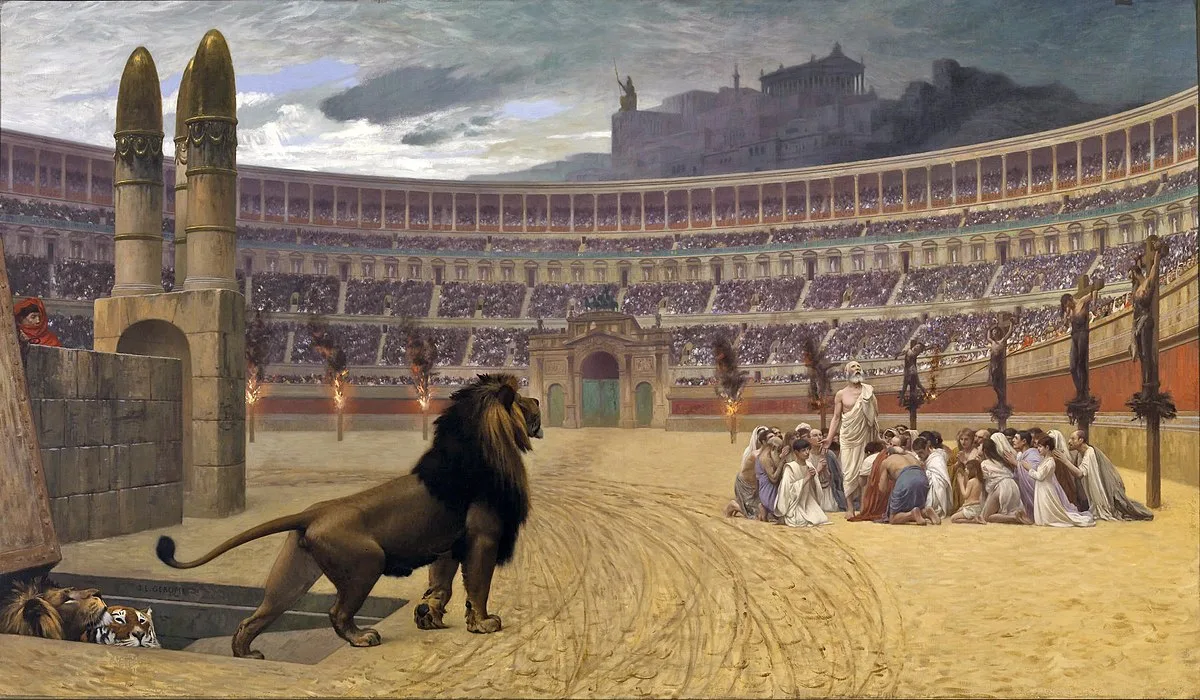
Each of these Beatitudes describes a person who reflects the character of Christ. But then Jesus shifts. He moves from describing those who bring peace to those who receive persecution. “Blessed are those who are persecuted for righteousness’ sake, for theirs is the kingdom of heaven.” This final Beatitude is both a warning and a comfort. It tells us that living according to the values of the kingdom will lead to conflict with the world. The more we live for righteousness, the more we will stand out. And when that happens, resistance often follows.
This persecution is not just general suffering—it is specific. It is persecution “because of righteousness,” and even more personally, “because of Me,” Jesus says. To suffer for Christ is to be counted with Him. It is to share in what He endured. This kind of suffering becomes a mark of authenticity, a sign that we are truly aligned with the kingdom of God.
Jesus emphasizes this point by shifting from third person (“those who…”) to second person: “Blessed are you when people insult you, persecute you, and falsely say all kinds of evil against you because of Me.” This personalization makes it clear that Jesus is preparing His followers for real-life opposition. The path of discipleship is not one of ease. It involves sacrifice, misunderstanding, and often mistreatment.
What is truly remarkable, however, is what Jesus commands in response: “Rejoice and be glad.” That seems like a strange instruction in the face of suffering. But the reason is profound: “for your reward in heaven is great.” Jesus lifts our eyes beyond the moment. He reminds us that what we endure now is not the final word. There is a joy set before us—a reward that far outweighs the pain.
This echoes the mindset described in Hebrews 12:2, where we read that Jesus endured the cross “for the joy set before Him.” He did not delight in suffering, but He looked through it to what lay beyond. Likewise, we are not called to rejoice in pain itself but to rejoice in what it signifies: we are united with Christ, and we are heirs of the kingdom.
We see this joy in action in Acts 5. The apostles, after being beaten for preaching about Jesus, leave rejoicing because they were “considered worthy to suffer shame for His name.” They didn’t celebrate the pain—they celebrated what it meant. Their suffering had purpose. It confirmed their identity and mission.
This is a radically different way of seeing life. Our culture teaches us to avoid discomfort and to pursue pleasure. But the kingdom of God teaches us that some of the deepest joys come through faithfulness in hardship. Suffering, in God’s economy, is not wasted. It shapes us, deepens us, and draws us closer to Christ.
In fact, the more we live according to the Beatitudes, the more we will feel like outsiders in this world. The world prizes power, comfort, and self-promotion. But Jesus calls us to humility, mourning, meekness, and mercy. He calls us to purity, peacemaking, and even persecution. These things set us apart.
That’s because this world is not our final home. We are pilgrims—sojourners on the way to something greater. Our citizenship is in heaven. The joys we experience here are tastes of something better, and the sorrows remind us that we’re not home yet.
In John 15, Jesus prepared His disciples for this very tension. “If the world hates you,” He said, “know that it has hated Me before it hated you.” The world loves its own, but those who follow Christ are no longer of the world. They belong to another kingdom.
There is a clash of kingdoms here. The values of heaven confront the values of earth. And when we live by heaven’s values, we will often be misunderstood or even mistreated. But that is part of the calling—and part of the blessing. For Jesus reminds us that “great is your reward in heaven.”
The Beatitudes, then, are not a list of traits to admire from a distance. They are a roadmap for spiritual formation. They challenge us to live in light of eternity, to reflect the character of Christ, and to find joy even in suffering. They call us to a life that may not be popular but is truly blessed.
To explore the Sermon on the Mount more deeply and discover how to thoughtfully answer the questions below, subscribe to Ken Boa Reflections on Substack.
Questions for Reflection
- How does your view of suffering change when you understand persecution as a mark of being identified with Christ?
- Which of the Beatitudes do you find most challenging to live out, and why?
- How can you cultivate a more eternal perspective that allows you to rejoice even in hardship?
- What are specific ways you can live as salt and light in your community without compromising your values?