

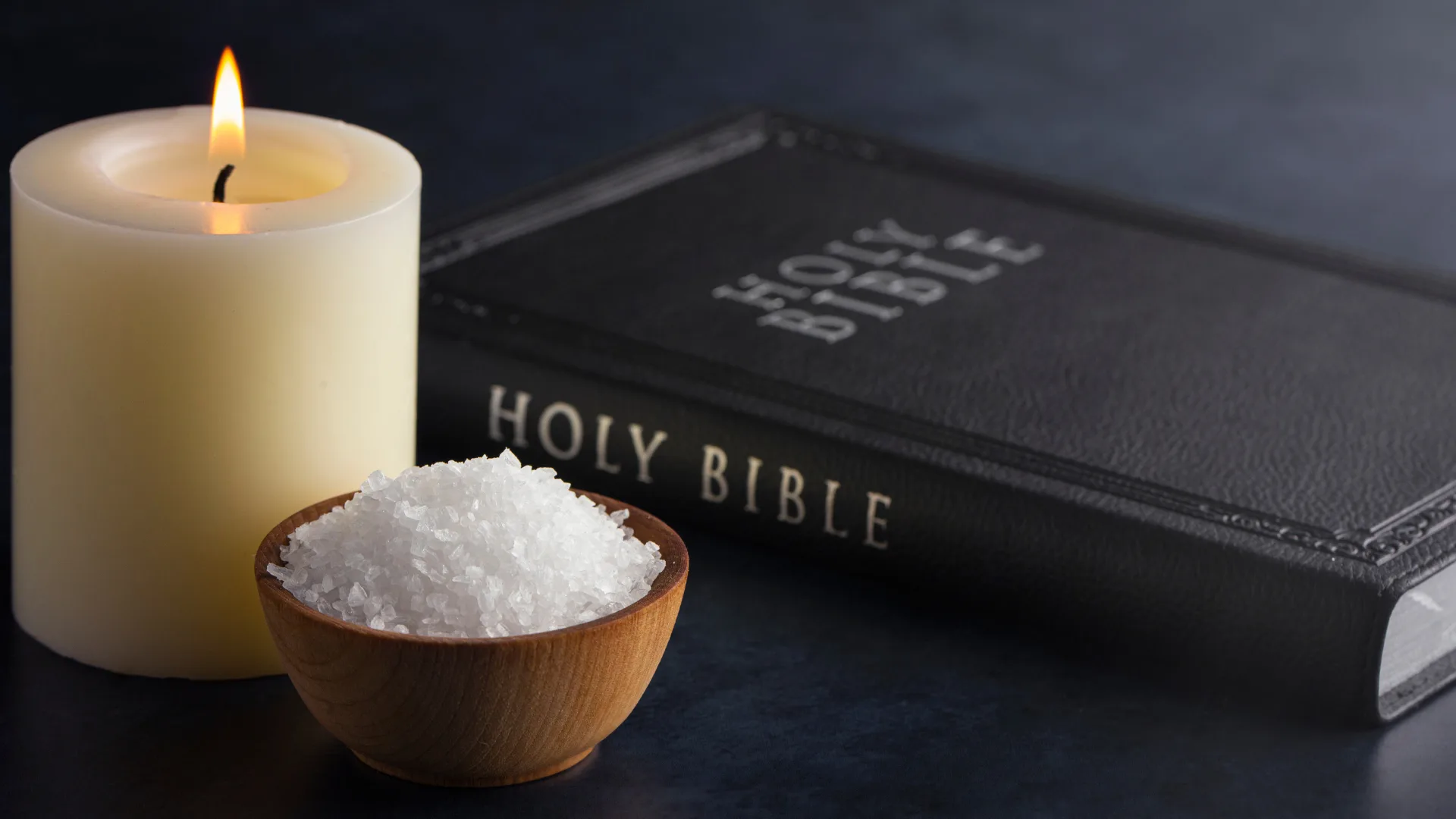
Sermon on the Mount (07): Being Salt and Light
Christians today live in a culture that constantly pulls them away from God’s truth. The pressure to blend in, to follow the values of the world rather than those of Christ, is very strong. But Jesus’ teaching in the Sermon on the Mount calls believers to be different—to be “salt” and “light” in a world that is decaying and dark. That difference must be visible, meaningful, and based on the life of Christ within us. If we lose that distinction, we also lose the message and purpose God has given us.
Jesus uses the images of salt and light to describe the influence believers should have in the world. Salt preserves, keeping things from going bad, and adds flavor. Light gives direction, reveals truth, and shows people the way. These two images carry a message of both resistance and renewal. Christians are called to resist the corrupt ways of the world, but also to bring hope, love, and truth that can transform it.
Being salt and light is not something we achieve—it is who we are in Christ. It’s our identity, not a goal we try to reach. Our job is to live out this identity. And that begins not with big changes in the world, but with personal, inner transformation. Real change must start in the heart. As Thomas Merton wisely said, we cannot be at peace with others if we are not at peace with ourselves, and we can’t have peace in our hearts until we are at peace with God. That peace comes only through faith in Jesus and the grace of God.
One danger is when the Church focuses on only one part of the gospel. Some believers emphasize personal evangelism but ignore social justice. Others work for justice but don’t clearly preach the gospel. Both are important. We need a balance of both: living out the message of Jesus in what we say and what we do. Christians should care about people’s souls and their everyday lives. If we separate the two, we miss the fullness of the gospel.
Another danger is retreating from the world. Some Christians create bubbles around themselves, building lives where they only interact with other believers. While this may feel safe, it removes them from the very people God has called them to reach. Jesus did not call us to hide. He sent us into the world to bring eternal values—truth, love, justice—into everyday life. Work, family, and community are all places where we can live out the gospel.
History shows that when the Church becomes too comfortable with worldly power, its message becomes weaker. After Christianity became legal in the Roman Empire through the Edict of Milan in 313 AD, it gained influence but also began to lose its passion. The early Church thrived under persecution because faith cost something. In many parts of the world today—like Asia, Africa, and South America—Christians still face great cost for following Jesus. And in those places, the Church often grows the strongest.
Still, even in places where Christianity is allowed, believers can choose to follow Christ wholeheartedly. That means living in ways that go against the flow of culture. People today are not looking for more arguments or fancy presentations—they are looking for something real. When they see someone living with love, joy, and peace, they become curious. These three fruits of the Spirit speak deeply to the human heart. Everyone wants them, but few know where to find them.
Jesus showed these qualities perfectly. On the night before His death, He talked to His disciples about love, joy, and peace. He offered these not just as ideas, but as real gifts we can experience. As we grow to be more like Jesus, our lives will naturally show what the world truly needs. But that transformation doesn’t come through study alone.
Many seminaries, including the one I attended, have focused heavily on knowledge while ignoring spiritual formation. Students learn facts about the Bible but may lose their passion for God. They risk turning God’s Word into a book to be analyzed instead of truth to be obeyed. It’s possible to study Scripture deeply but miss its purpose—to lead us to God Himself.
Spiritual formation is about being shaped by God, not just learning about Him. That requires community, prayer, worship, and daily obedience. It also requires humility. The danger is falling in love with the model, the theory, or the system, rather than with the living God. True spiritual growth involves both the head and the heart.
To be salt and light, we must allow God to change us from the inside out. We must become people who reflect Christ through our actions, choices, and character. That transformation takes time and commitment, but it is also joyful. It helps us to live differently in a way that others can see.
God calls us to courage—to stand out rather than blend in. The world does not need more opinions or louder voices. It needs people whose lives shine with hope, truth, and love. When people see that in us, they see a glimpse of Christ. And when they see Christ, they see the One who can truly change their lives.
To explore the Sermon on the Mount more deeply and discover how to thoughtfully answer the questions below, subscribe to Ken Boa Reflections on Substack.
Questions for Reflection
- In what areas of your life are you most tempted to conform to the ambient culture, and how might you pursue greater distinctiveness as salt and light?
- Are you currently living out your identity in Christ in a way that both preserves (salt) and illuminates (light) your surroundings? Where is God inviting you to be more visible or impactful?
- How has your understanding of spiritual formation shifted in light of the idea that transformation must begin from the inside out? What personal practices are shaping your inner life?
- What would it look like for you to live with the kind of radiant authenticity that causes others to ask, “What is the source of your peace, love, and joy?”