

Sermon on the Mount (08): The Fulfillment of the Law
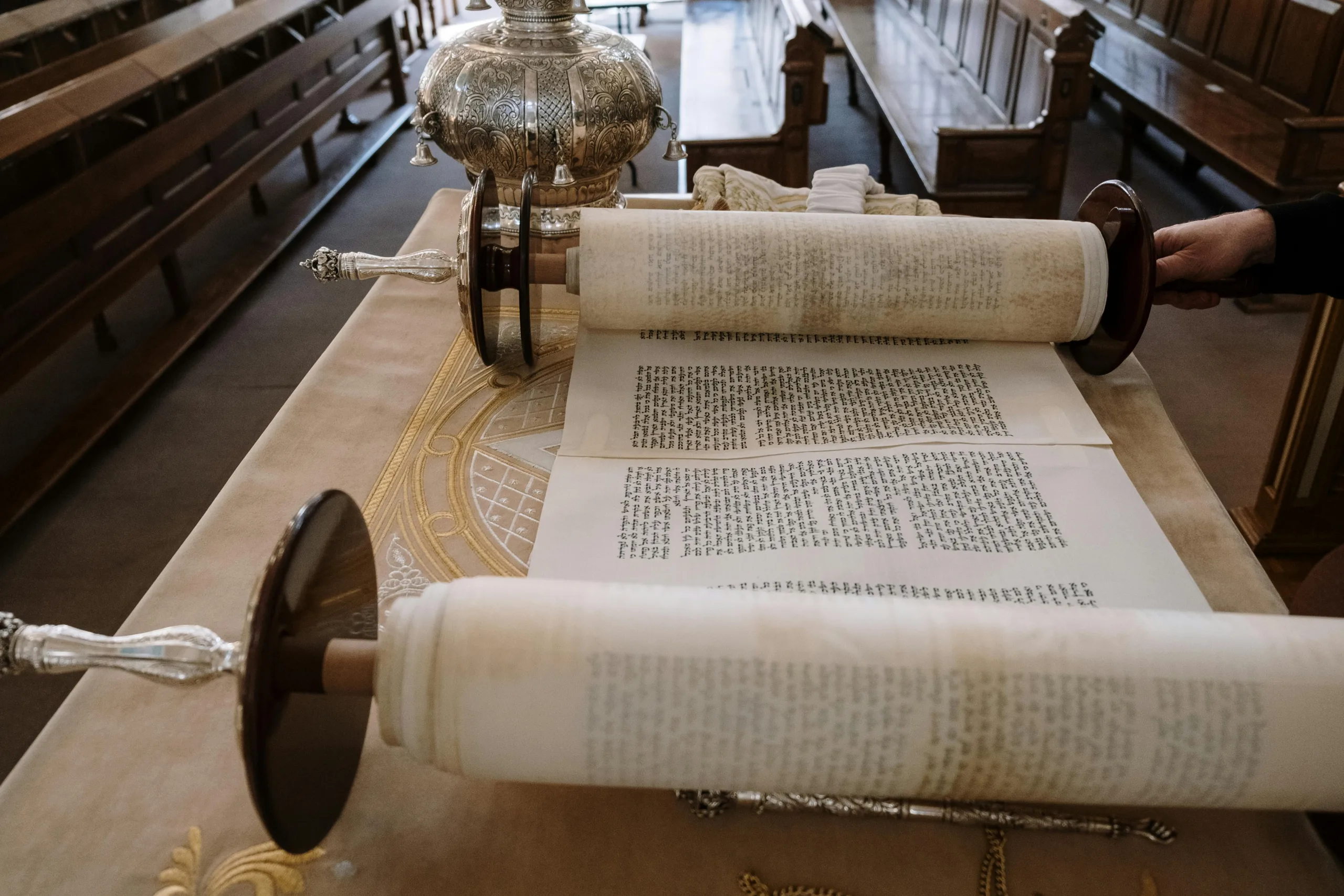
In the Sermon on the Mount, Jesus makes a striking statement: “Do not think that I came to abolish the Law or the Prophets; I did not come to abolish but to fulfill.” With these words in Matthew 5:17, He clarified not only His relationship to the Old Testament but also the deeper meaning of righteousness. This passage forms a turning point, as Jesus moves from describing the character of His followers—the Beatitudes and the Similitudes—to explaining His role in fulfilling God’s revelation. He speaks now with divine authority, declaring, “I say to you,” and in doing so, He draws us into a truth far richer than religious rule-keeping.
Jesus makes it clear: the Law is not being discarded. It is being completed, filled up, and fulfilled in Him. The scribes and Pharisees had built a religion focused on external behavior—counting 613 rules in total. But Jesus reveals that the Law was never meant to merely regulate outer actions; it was always about internal transformation. In other words, God doesn’t want a checklist—He wants our hearts.
Jesus Fulfills the Law in Every Way
Jesus fulfills the Law in three primary ways: doctrinally, prophetically, and ethically.
- Doctrinally, He is the reality to which the Law pointed. The sacrifices, feasts, and rituals were all shadows. He is the substance.
- Prophetically, He is the promised Messiah—the one the prophets foretold would come.
- Ethically, He lived in perfect obedience to God’s moral standards. He not only obeyed the Law but embodied its deepest intent.
This matters because it changes how we approach righteousness. Instead of trying to follow a list of religious rules, we’re called to a new way of life—one where the Spirit of God writes His Law on our hearts.
From Tablets of Stone to Hearts of Flesh
The idea of internal transformation is not new. Jeremiah 31:31–34 and Ezekiel 36:24–28 promised that God would establish a new covenant. Under this covenant, His Law would not be written merely on stone tablets but would be etched into our hearts. God would give us new hearts and put His Spirit within us so that we would naturally desire to walk in His ways.
When Jesus held up the cup during the Last Supper and declared, “This cup is the new covenant in My blood,” He was saying that this long-awaited promise was now being fulfilled. Through His death and resurrection, the old external system was giving way to a new internal reality.
The Heart of the Matter
Jesus did not come to lower the standard but to raise it. The scribes and Pharisees had made the Law manageable by focusing on outward behavior. But Jesus revealed the true standard: righteousness that exceeds theirs.
Consider His teaching on adultery. The Law said, “Do not commit adultery.” But Jesus said that even a lustful look breaks this commandment. He went to the heart. God is not only concerned with what we do but also with what we desire.
The Law was meant to expose our need for grace. It acts like a mirror, showing us that we can never be righteous on our own. This is why Paul calls it a “tutor” that leads us to Christ (Galatians 3:24). Like King David in Psalm 51, we come to God not offering our goodness, but confessing our sin and crying out for a clean heart.
The Danger of Legalism and License
Legalism says, “If I do everything right, God will love me.” License says, “Because God loves me, it doesn’t matter what I do.” Jesus offers a better way: a life empowered by the Spirit, motivated by love, and rooted in grace.
In His day, Jesus was often accused of breaking the Law—especially the Sabbath laws. But what He challenged were not God’s commands, but human traditions added on top. He fulfilled the Law completely—both in letter and in spirit—and then invited us into that same fulfillment through His Spirit.
The apostle Paul picks up on this theme in Romans 8. He says, “There is now no condemnation for those who are in Christ Jesus” (v. 1). Why? Because the Spirit of life has set us free. We no longer live under the Law as a crushing weight. Instead, we live by the Spirit, who empowers us to obey from the heart.
The Love That Fulfills the Law
When asked to summarize the Law, Jesus replied with two commandments: love God and love your neighbor. These two commands capture the essence of every commandment.
Paul echoes this in Galatians 5:13–14: “Through love, serve one another. For the whole Law is fulfilled in one word: ‘You shall love your neighbor as yourself.’” Love is not vague or weak. It is the very power of God flowing through us. It leads us not to indulge the flesh, but to bless others.
True freedom is not doing whatever we want; it is being empowered by the Spirit to do what God wants. Walking by the Spirit leads us away from the desires of the flesh and toward the fruit of righteousness. This is not a life of passivity but of active dependence on God. As we abide in Christ, His life is formed in us. The Spirit changes our desires, shapes our character, and bears fruit that the Law alone could never produce.
A New Kind of Righteousness
James, too, reminds us that breaking even one part of the Law makes us guilty of breaking it all. Righteousness, then, cannot be achieved by our own efforts. We need something more. And that “more” is a new heart, a new Spirit, and a new way of living—not from the outside in, but from the inside out.
This righteousness is not based on performance but on relationship. It’s not something we earn but something we receive. Christ fulfills the Law on our behalf, and through the Holy Spirit, enables us to live in a way that honors God.
When Jesus said, “I came to fulfill the Law,” He was pointing to the entire story of Scripture. From the commandments of Moses to the promises of the prophets, all of it finds its completion in Him. And when He lives in us through His Spirit, we become part of that fulfillment.
This is not about legalism, and it’s not about lawlessness. It’s about love. The love of God poured into our hearts through the Holy Spirit (Romans 5:5). A love that shapes us, teaches us, and moves us to live for others.
This is the radical call of the new covenant: not to obey out of fear, but to walk in love. Not to try harder, but to surrender more deeply. Not to be ruled by external law, but to be led by the indwelling Christ.
To explore the Sermon on the Mount more deeply and discover how to thoughtfully answer the questions below, subscribe to Ken Boa Reflections on Substack.
Questions for Reflection
- How does Jesus’ fulfillment of the Law deepen your understanding of His identity and mission?
- In what ways are you tempted to reduce God’s commands to mere external behaviors rather than inward transformation?
- How do you experience the reality of the new covenant in your daily walk with Christ?
- What does it mean for you to pursue a ‘higher righteousness’ that exceeds that of the scribes and Pharisees?