

The Sermon on the Mount (11): Anger, Identity, and the Path of Liberty
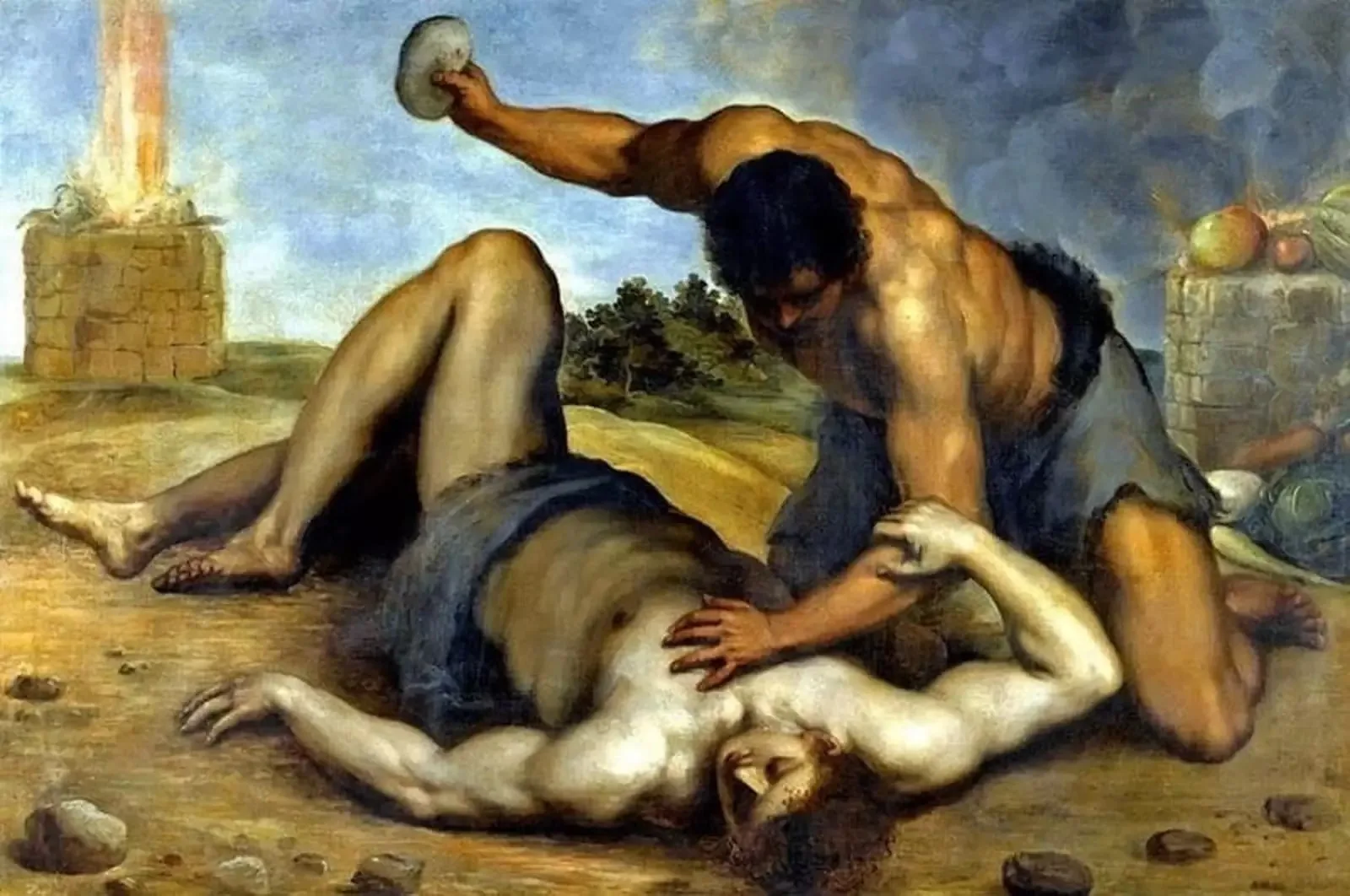
In the Sermon on the Mount, Jesus goes beyond the surface. He presses into the heart. Where the Pharisees tried to manage sin by narrowing its definition, Jesus expanded the reach of the commandments. He didn’t come to lower the bar; He came to expose our deep need for transformation. In Matthew 5:21–26, He connects the command not to murder with the inner realities of anger, contempt, and careless speech. It’s not just about what we do—it’s about who we are becoming.
This teaching dismantles the illusion that we can make ourselves righteous by controlling our actions. Jesus makes it clear: the true battlefield is internal. We must deal with the hidden impulses that drive our behaviors. Without grace, the standard Jesus gives would crush us. But with grace, we begin to live from the inside out.
Anger and Gratitude
Anger is something I’ve struggled with—especially the kind that flares up when my expectations are blocked. Sometimes it’s not people but objects that trigger me: a stuck drawer, a red light, a technical glitch. What’s happening in those moments is that I had a plan, and it got interrupted. I expected to be in control, and suddenly I wasn’t. Frustration follows.
This kind of anger is often tied to pride—the belief that life should follow my script. But the world doesn’t revolve around me. When I tie my peace to my plans, I set myself up for constant irritation.
The remedy I’ve found is simple but powerful: gratitude. Gratitude reorients my heart. But it fades quickly. It must be practiced intentionally or it will be lost to the pressures of daily life.
Seven Affirmations That Help Me Respond to Anger
Over the years, I’ve developed a list of affirmations and principles to process my anger. These are both theological and practical:
- This is sin.
James 1:20 says human anger does not produce God’s righteousness. There is righteous indignation, but it is rare and short-lived. My default anger is not righteous—it’s reactive, prideful, and self-serving. Naming it for what it is helps break its hold. - This is beneath the dignity of who I am in Christ.
Ephesians 2 reminds me that I’ve been raised with Christ. Anger doesn’t align with my new identity. I am a new creation (2 Corinthians 5:17). When I act in anger, I am living out of my old nature, not the new. - I don’t have to sin.
Romans 6 tells me I am no longer a slave to sin. Romans 8 says I’m no longer obligated to live by the flesh. In Christ, I have options. Before I knew Him, I didn’t. But now, by the Spirit, I can respond differently. - Don’t tie your peace to your plans.
Much of my frustration comes from unrealistic expectations. When a flat tire or delay throws off my schedule, I need to adjust quickly. What I wanted may no longer be realistic. My contentment cannot be based on circumstances going my way. - God is in control, and He has my best interest at heart.
This one is hard to believe in the moment. But it’s foundational. God’s wisdom and goodness are constant, even when I don’t understand His plan. He knows the full story. He has never made a mistake in my life. - Trust in the Lord and don’t lean on your own understanding.
Proverbs 3:5 reminds me that I won’t always understand what God is doing. I’m not supposed to. He calls me to trust, not to comprehend. His thoughts are higher than mine (Romans 11:33). - Walk by the Spirit.
Galatians 5:16 promises that if I walk by the Spirit, I will not fulfill the desires of the flesh. The Spirit produces in me the qualities I truly desire: love, peace, patience, self-control. These are better than anything anger offers.
A Word on Legalism and License
These reflections naturally tie into the danger of extremes. Some try to earn God’s favor through rigid obedience—that’s legalism. Others treat grace as permission to sin—that’s license. But the gospel calls us to liberty.
- Legalism is doing what I think I have to do.
- License is doing what I want to do.
- Liberty is the freedom to do what God wants me to do.
This liberty allows me to respond to life not out of compulsion or indulgence, but out of alignment with God’s will. It’s a freedom that leads to joy, not bondage.
Prayer and Realignment
These affirmations shape the way I pray. Too often, prayer becomes me advising God—laying out my desires, my timeline, and my logic. But prayer isn’t about control. It’s about surrender.
True prayer realigns my heart with His. I come to the One who sees what I don’t, who knows what I can’t. I don’t always know what’s best for me. But He does.
Sacred History and the Gift of Memory
When I struggle to trust, I turn to my sacred history. God has been faithful again and again. Remembering that helps me trust Him in the present. The psalmists did this often—Psalm 107 in particular recounts God’s rescues in many situations.
We must build our own sacred histories—journals of God’s faithfulness. When we reflect on His past mercies, we grow in our present trust.
When We Fall Short
There will still be moments when I fail—when I respond in anger or walk in the flesh. But I’ve learned not to stay there. The worst thing I can do is wallow in shame. I must confess, receive grace, and move forward. Proverbs 24:16 says the righteous fall seven times and get up again.
Grace doesn’t excuse sin—but it does cover it. It allows me to start again.
Gratitude as a Discipline
Gratitude, in the end, is more than a mood. It’s a discipline—a daily practice. It’s the lens through which I view my life. It’s how I remember that every breath is a gift, every delay a possible divine appointment.
I try to begin each morning by thanking God for five things. Even before my feet hit the floor. This simple act recalibrates my heart. It trains me to see the good and trust in the Giver.
Jesus’ words in the Sermon on the Mount are not just commands—they are invitations. Invitations to live from the inside out. To move from performance to transformation. To walk not in fear, but in freedom.
He is not asking me to try harder. He is asking me to trust deeper.
To explore the Sermon on the Mount more deeply and discover how to thoughtfully answer the questions below, subscribe to Ken Boa Reflections on Substack.
Questions for Reflection
- When was the last time your expectations or plans were blocked, and how did you respond? What might that moment reveal about where you are placing your hope or sense of control?
- How does anger typically show up in your life—through words, thoughts, or silent withdrawal—and what role does pride play in that response? What would it look like to invite God into those moments before reacting?
- Which of the seven affirmations (about identity, trust, and walking by the Spirit) speaks most to your current struggles? How can you begin to practice that truth daily?
- Are you cultivating a habit of gratitude, or are you letting your circumstances define your outlook? What small steps can you take to grow in thankfulness, especially in moments of frustration?