

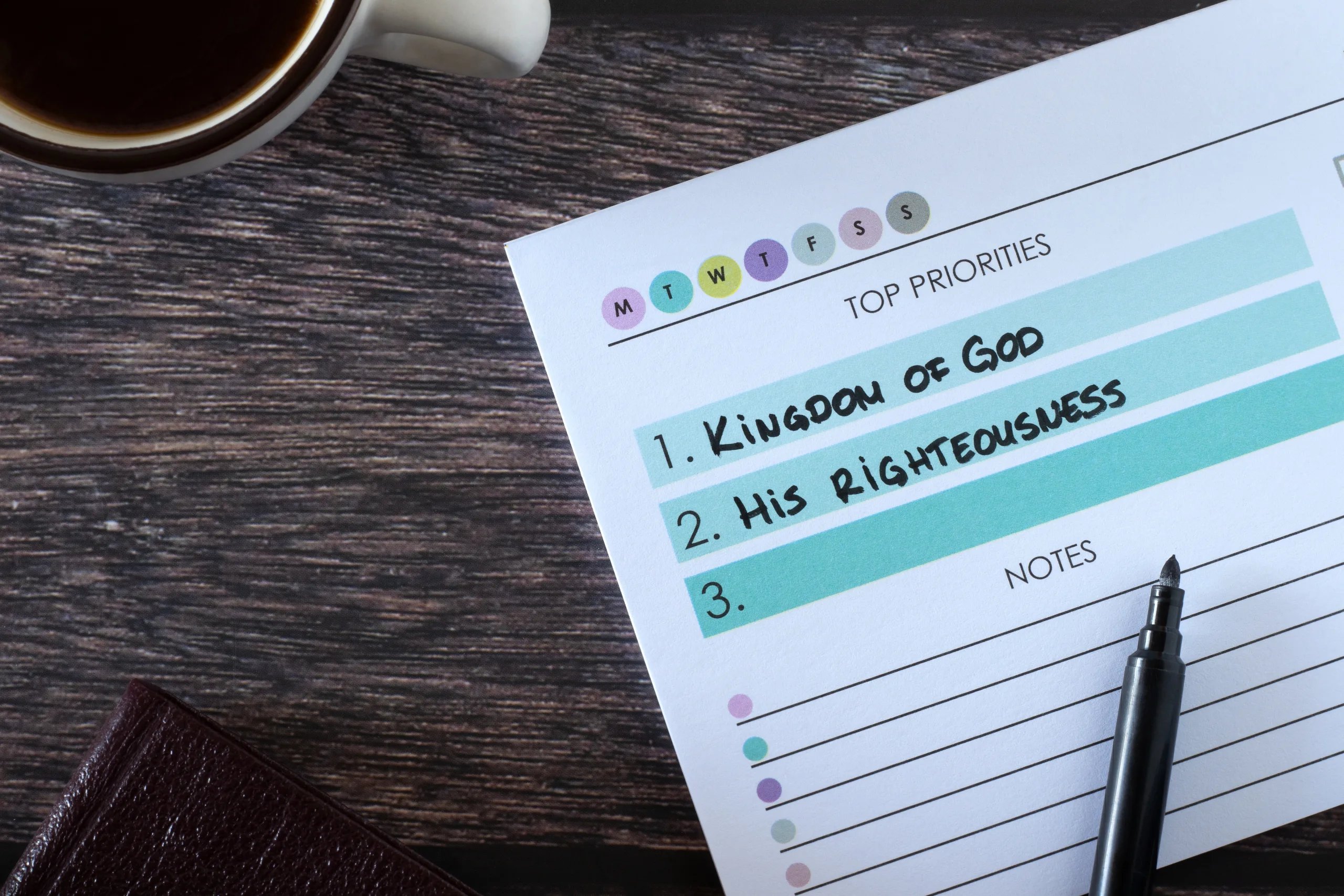
In Matthew 6, Jesus speaks directly to our hearts. He knows we all struggle with anxiety, fear, and misplaced ambition. So He invites us to think carefully about what we value, how we see the world, and whom we serve. His words are not just wise sayings—they are a call to live with eternal perspective, not temporary concerns.
Jesus begins with a clear message: don’t store up treasures on earth. Earthly possessions don’t last—they rust, break, get stolen, or simply fade away. But heavenly treasure—what we do for God and others—lasts forever. Jesus isn’t against having possessions, but He is warning us not to make them our priority. What we value shapes our desires, and our desires shape our lives.
Next, Jesus talks about vision. “The eye is the lamp of the body,” He says. If our eyes are healthy—focused on truth and God’s purposes—our whole life will be full of light. But if our eyes are unhealthy—focused on greed, envy, or selfishness—we become spiritually dark. How we see things determines what we chase. A distorted view leads to wasted energy and missed opportunities for lasting joy.
Then comes a strong warning: “You cannot serve both God and money.” Jesus uses the word “mammon” to include not just wealth but the whole system of materialism and self-centered living. We can’t divide our hearts between two masters. Eventually, we will love one and resent the other. God asks for our full loyalty. Anything less leads to frustration and confusion.
These three ideas—two treasures, two visions, and two masters—prepare us for what Jesus says next: “Do not be anxious.” This command flows from everything He’s already said. If our treasure is in heaven, if our vision is clear, and if we serve God alone, then we can trust Him completely with our needs.
Jesus doesn’t deny that we have real needs. We need food, clothes, and shelter. But He reminds us of who God is—our heavenly Father. Look at the birds, Jesus says. They don’t plant or store food, but God feeds them. Look at the lilies. They don’t make clothes, but God dresses them in beauty greater than Solomon’s royal robes. If God takes care of birds and flowers, won’t He take care of us—His children?
Worry, Jesus says, accomplishes nothing. “Which of you by being anxious can add a single hour to his life?” In fact, worry often makes life worse. It steals peace, distracts our thoughts, and weakens our trust. That’s why Jesus repeats Himself three times: “Do not be anxious.” He’s not scolding us—He’s setting us free.
So what should we do instead of worrying? Jesus gives us a better focus: “Seek first the kingdom of God and His righteousness.” This means putting God’s rule first in our lives—His purposes, His priorities, His truth. When we do that, Jesus promises, “all these things”—our daily needs—“will be added to you.” It’s not a formula to get what we want. It’s a promise that when we live for what matters most, God takes care of what we need.
Jesus ends this teaching with a very practical word: “Do not worry about tomorrow. Each day has enough trouble of its own.” He wants us to live one day at a time. Most of our anxiety comes from worrying about the future—imagining problems that haven’t happened yet. But God gives grace one day at a time. He will meet us in each moment as it comes.
This doesn’t mean we avoid planning or responsibility. It means we stop trying to control what we can’t control. Instead, we focus on what God has given us to do today. And when tomorrow comes, His grace will meet us there.
Our culture tells us to chase success, security, and control. It rewards people who look like they have it all together. But Jesus tells us something different. He calls us to a life of trust. He invites us to shift our ambition—from worldly success to heavenly purpose. When we make knowing and pleasing God our main goal, we find peace.
This kind of life doesn’t happen overnight. It’s a journey of learning to let go of fear and lean into faith. It’s choosing to believe that God is both powerful and good. That He knows us, loves us, and won’t abandon us. It’s learning to rest in the truth that our value doesn’t come from what we own or how we perform—it comes from being loved by the One who made us.
In times of worry, one powerful habit is to remember God’s faithfulness. Look back on your life. Has He not provided before? Has He not led you through hard times? Gratitude for the past builds trust for the present. It reminds us that God has not changed. The One who cared for you yesterday will care for you today.
Jesus’ words in the Sermon on the Mount are not meant to make us feel guilty about worry. They are meant to lift our eyes. He is not saying, “Try harder.” He is saying, “Trust deeper.” Let go of the false belief that you are alone. You are not. Your Father sees you, knows your needs, and will provide.
So today, take a deep breath. Offer your concerns to God. Seek His kingdom. Choose trust over fear. And walk in the freedom Jesus offers—a life rooted in peace, purpose, and the presence of God.
To explore the Sermon on the Mount more deeply and discover how to thoughtfully answer the questions below, subscribe to Ken Boa Reflections on Substack.
Questions for Reflection
- Where is your treasure? What do your daily choices, ambitions, and concerns reveal about what you value most—and how can you realign your heart to seek heavenly treasure?
- What is shaping your vision? Are you seeing your life and circumstances through the lens of God’s truth, or are you allowing fear, comparison, or material desires to cloud your perspective?
- Whom are you serving? Is your heart divided between trust in God and pursuit of worldly success—or are you fully surrendered to the Lord as your only Master?
- How are you practicing trust today? In what areas of your life are you tempted to worry about the future, and how can you respond by seeking God’s kingdom and relying on His provision one day at a time?