
Jesus summarizes the ethical heart of the Sermon on the Mount with what we now call the Golden Rule: “In everything, therefore, treat people the same way you want them to treat you, for this is the Law and the Prophets” (Matt. 7:12). This is more than moral advice—it is a call to active goodness, grounded in love. It echoes the command to love our neighbor as ourselves and fulfills the spirit of God’s law.
Jesus then turns to a choice that every person must face. In Matthew 7:13–14, He teaches:
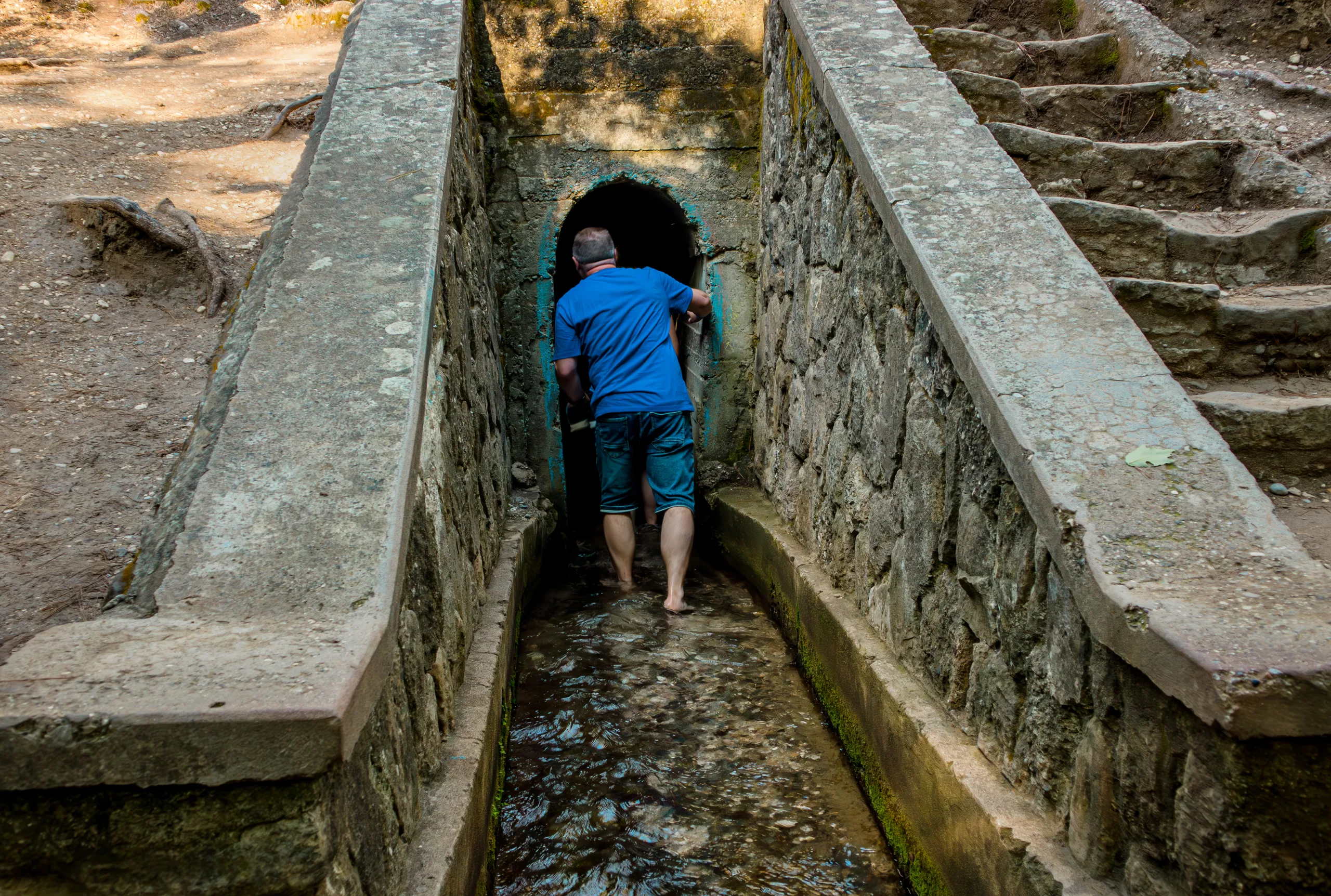
“Enter through the narrow gate. For the gate is wide and the road is broad that leads to destruction, and there are many who enter through it. How narrow is the gate and difficult the road that leads to life, and few find it.”
These words are not popular in our culture, where tolerance often takes precedence over truth. Many attempt to soften Jesus’ message, or reinterpret it in a way that removes its sting. But these are Jesus’ own words, and they are meant to awaken us. He describes two gates, two paths, two groups of people, and two eternal destinations. And we must choose.
The wide gate is easy to enter. It requires no repentance, no surrender, no humility. You can walk through it carrying your pride, your selfishness, and your attachments to the world. It is the default path, the road of comfort and self-rule. But it leads to destruction—spiritual ruin and eternal separation from God.
The narrow gate, by contrast, is difficult. It demands everything. You must leave your baggage behind and surrender your life to Christ. It’s not about earning salvation, but about receiving it on God’s terms—through repentance, faith, and full allegiance to Jesus. This road goes against the grain of our natural desires and cultural values, but it is the only path that leads to life.
Jesus is not speaking of two equally valid options. He is making a sharp distinction. The wide road is popular but fatal. The narrow road is difficult but life-giving. This is not a call to religious performance or moral superiority—it is a call to follow Jesus wherever He leads, trusting Him more than ourselves.
To follow Christ is to die to the illusion of self-sufficiency. It means saying “no” to lesser ambitions so we can say “yes” to the surpassing worth of knowing Him. In Luke 9:23, Jesus says, “If anyone wants to come after Me, he must deny himself, take up his cross daily, and follow Me.” The cross is an instrument of death—and Jesus calls us to die daily to ourselves so that we may live in Him.
Some believe that all paths lead to the same destination, but Jesus makes it clear that they do not. Only one gate leads to life. And He is that gate. In John 10:9, Jesus says, “I am the gate. If anyone enters by Me, he will be saved.” Salvation is not a matter of finding the right philosophy or doing enough good deeds. It’s a matter of entering through Christ Himself.
The road to life is not a one-time decision—it is a way of living. Every day, we must choose whether we will live for ourselves or for Christ. And that choice is reflected in how we spend our time, how we treat others, how we face trials, and how we respond to God’s Word.
Jesus ends the Sermon on the Mount with a call to action. He is not merely giving us ideas to consider but a kingdom to enter. The invitation is open, but it is not easy. Grace is free, but it is not cheap. We must count the cost—and then follow the One who gave everything for us.
To walk the narrow road is to walk in freedom. Though it may be lonely at times, and though the way is hard, it leads to joy, peace, and eternal life in the presence of God. It is not the easy road—but it is the better one.
To explore the Sermon on the Mount more deeply and discover how to thoughtfully answer the questions below, subscribe to Ken Boa Reflections on Substack.
Questions for Reflection
- Which gate am I currently walking through—the wide and easy gate of cultural conformity, or the narrow and costly gate of discipleship to Christ?
- What am I still holding onto that keeps me from fully surrendering to the way of Jesus? What “baggage” might He be calling me to leave behind?
- In what ways am I tempted to soften or reinterpret the hard teachings of Jesus to fit my preferences or the values of the world around me?
- Do I believe that the narrow road, though difficult, leads to true life? How is that belief shaping the daily choices I make in how I live, love, and pursue God?